


Bladder inflammation often worries women.And, of course, they are interested in how to deal with the disease quickly and without unwanted consequences.Which treatment will be the most effective not only for quick relief of painful symptoms, but also for complete recovery.In addition to drug treatment, you can use traditional methods after a mandatory consultation with a doctor.Timely and complete treatment will give quick results.
First symptoms
Acute cystitis always occurs suddenly, after stress, viral infection, hypothermia or any other factor that undermines the local immunity of the bladder.
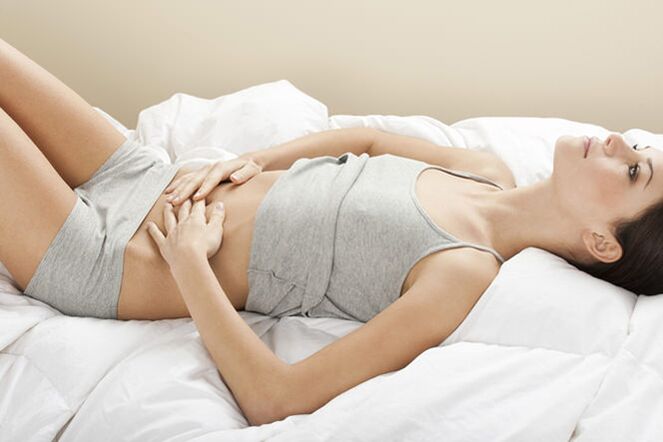
Among the first symptoms in women are a frequent desire to go to the toilet, a feeling of pain when urinating and pain in the lower abdomen.Moreover, the more difficult it is to clean, the more often a woman feels the need to visit the toilet.In more severe cases, they appear every half hour.
Pain accompanies the patient day and night.Stomach hurts both during and outside urination.The feeling in the stomach is unpleasant and painful.
Frequent impulses of pain lead to the contraction of the detrusor, the muscle that releases urine.At the same time, the pressure inside increases, and even a small amount of accumulated urine leads to an urge.
Urine on examination is cloudy.The decrease in transparency is a consequence of the accumulation of microbes, epithelium, leukocytes and erythrocytes in the urine.
Blood can be found at the end of urination.Its source is the relaxed and inflamed lining of the bladder.
Another symptom is an increase in body temperature.In chronic cystitis, it can remain at a normal level.
How to distinguish chronic cystitis from acute?
The clinical picture of chronic cystitis in women, i.e. its exacerbation, does not differ from acute inflammation.But the symptoms are less pronounced.For example, the body temperature may not rise or be low.The pain is not pronounced, and the frequency of urination is not as high as in the case of an acute process.
In addition, chronic cystitis in women rarely occurs alone.Most of these exacerbations occur against the background of existing bladder, ureter, kidney or urethral pathology.Therefore, if a woman, on the background of existing symptoms, is diagnosed with diverticulum, tumor, stones, chronic pyelonephritis, sclerosis of the urinary cervix, then it is likely that chronic cystitis occurs.
Cystitis during pregnancy and menopause
Pregnancy is a period of high risk of cystitis.The hormonal background changes, that is, the level of the hormone progesterone increases, the smooth muscles of the urethra relax, and its opening becomes wider.This makes it easier for E. coli, as well as other bacteria, to enter the bladder and cause inflammation there.
Symptoms of cystitis during pregnancy are in many ways similar to the course of the disease in women who are not pregnant.However, if there is no pain during urination, and the only symptoms present are frequent urination, then cystitis may not be detected in time.This is due to the fact that the uterus exerts pressure during pregnancy and the frequency of urination normally increases.Therefore, in order to exclude this possibility, all pregnant women from the 20th week of pregnancy have their urine analyzed monthly, and from the 30th week - every 7 days.
Cystitis also often occurs in postmenopausal women.This is due to the decline in reproductive function and, accordingly, changes in the amount of female hormones.The decrease in estrogen affects not only the genitals, but also the bladder.Its mucous membrane changes, becomes thin, loose and susceptible to injury.
Clinical signs (symptoms) of cystitis in menopausal women are not specific.
Treatment of diseases
In addition to keeping the woman in bed, drinking plenty of fluids and excluding irritating foods from the menu, as soon as the first symptoms appear, the doctor prescribes treatment according to the anamnesis.What drugs are used for treatment?
- First of all, these are antibiotics
Taking antibacterial agents in most cases leads to significant improvement within 3-4 days.Typically, in urology, depending on the severity of the condition, anamnesis, presence of associated pathology and test results, protected penicillins, cephalosporins, aminoglycosides, fluoroquinolones and nitrofurans are prescribed.
- Combine antibiotics with antispasmodics and analgesics
For chronic cystitis in women, drugs are injected into the bladder.Silver nitrate, sea buckthorn oil and rosehip oil are used.They have anti-inflammatory and antiseptic effects.And, most importantly, they act only at the site of inflammation, without affecting the body as a whole.
What folk remedies are used for cystitis?
Among those suffering from cystitis, decoctions and infusions of various plants and berries are very popular for treatment.It has anti-inflammatory, antiseptic, antispasmodic and weak diuretic effects:
- horsetail,
- bearberry,
- cranberry,
- dresser,
- cranberry leaf,
- chamomile decoction,
- kidney tea.
Herbal decoctions acidify urine, making it unsuitable for bacterial growth.In addition, taking decoctions increases the amount of liquid consumed per day, which leads to an increase in urine output, and the bladder is thus flushed from the infection.
For maximum therapeutic effect, decoctions must be taken fresh.The plant can be bought in a pharmacy, where it is already dried, tested for the absence of parasites and packaged.
Cranberries are rich in benzoic acid, which has antimicrobial and disinfectant properties, and flavonoids that can remove free radicals.You can make a fruit drink or juice from berries.For fruit juice, take 0.5 kg of cranberries, wash them well and grind them in a blender or mortar.Strain through cheesecloth into a container, pour about 2.5 liters of cold boiled water and sweeten to taste.
Prepare a juice from a small amount of berries and drink it all at once.Heat the cranberries a little so that they release their juice better and chop them.Then strain through several layers of cheesecloth.
Traditional recipes are good as an additional component to the treatment prescribed by the doctor.Be sure to consult with him whether traditional methods of treatment are suitable and will not harm.